
A designer and a coder walk into a bar. After ordering drinks and making small talk, the coder says, “I’ve been prototyping a new platformer, but I want to build an engine that can handle hilly 2D terrain.”
The designer replies, pointedly: “Why do you need hills at all?”
Confused, the coder pauses. “Because platformers need hills, obviously.”
The designer, annoyed that the coder seems to misunderstand the nuanced wisdom of his cryptic question, asks again: “Are hills really important to platformers?”
This time the coder answers instantly: “Yes.” A pause would show weakness. The battle lines are drawn.
The designer opens with a gambit: “The game design community is obsessed with 1001 Spikes. It clearly communicates how to beat each level and offers fair-but-brutal challenges. Surely you think it’s a quality platformer, right?”

The coder retorts: “I wish it had hills though.”
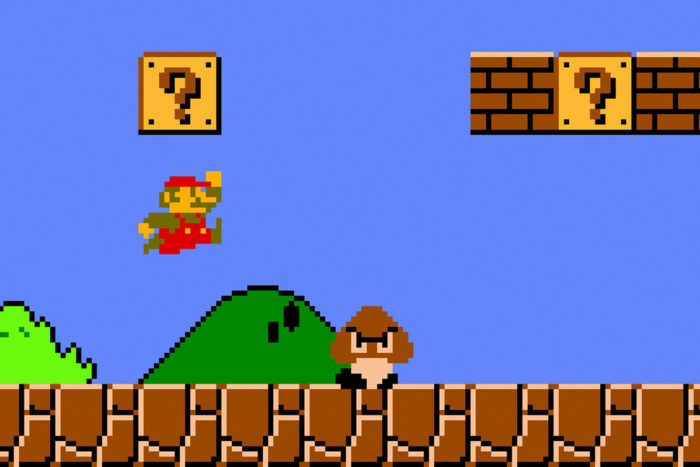
After a pause for more beer, the designer pulls out the holy grail: “Well what about Super Mario Bros.? It didn’t have any hills.”
Now the designer knows this is a weak argument, because Mario absolutely has hills in the background — but acknowledging background aesthetics would require the coder to admit beauty matters. Unlikely.
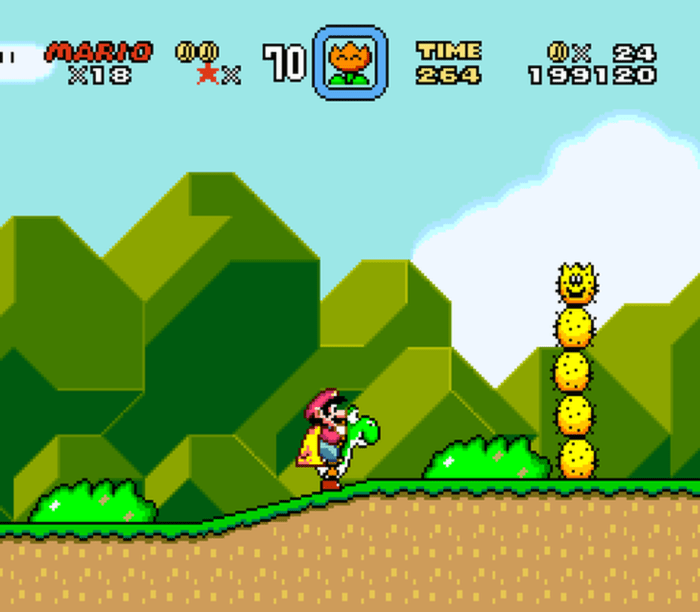
The coder, who does not even remember the hills, says: “I think Mario 3 or Mario World was better.”
The designer sees his opening. “Do you remember New Super Mario Bros U? Those wavy mushrooms that rotate? Those are moving hills. Even better, right?”

The coder knows defending the wavy mushrooms is impossible. “No. Those were useless. Let’s focus on the older games.”
And now the designer closes the net: “Well if you start focusing on hills on grids, next it’ll be angled hill tiles, then spline hills, then moving hills like the…”
The coder chimes in, accepting his fate: “So you’re saying this is all… a slippery slope?”